
• Four Hour Scenic Pic denali rafting

Denali Wildlife From the River: The Ultimate Spotter’s Guide


What Rafters Learn About Denali’s Hidden Ecosystems — Even When the Animals Stay Unseen

After over 50 years of rafting the Nenana river valley, our family has become an expert on the natural systems that fuel the ecosystem of Denali National Park. Each of our tours is packed with insider knowledge and passion for protecting the Park.

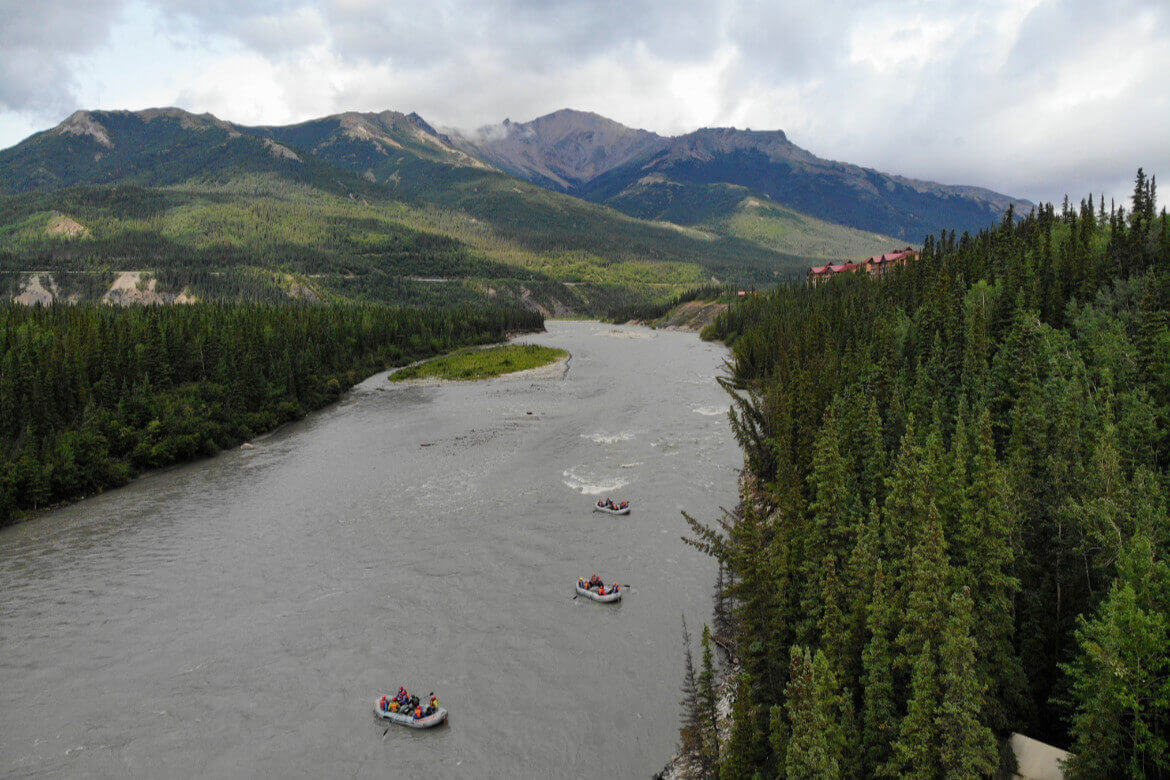
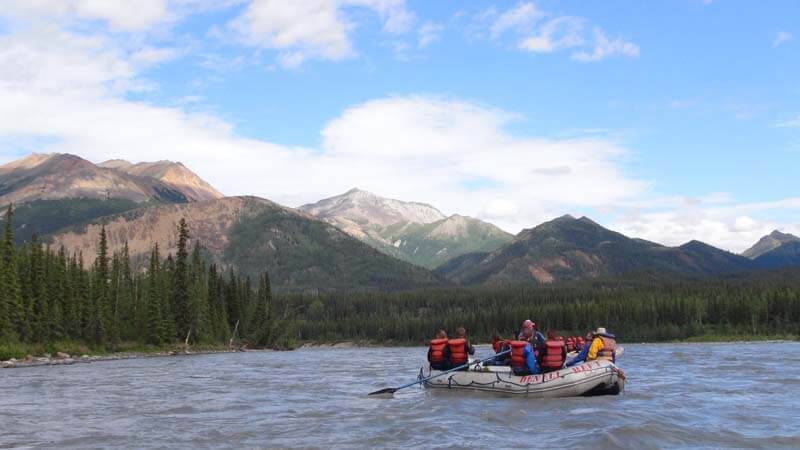
The Nenana River runs along the eastern edge of Denali National Park, carving a glacial valley that is home to diverse wildlife and rich, ever-changing landscapes. Fed by ice and snow from the Alaska Range, the river carries cold, silt-filled water through forests, bluffs, wetlands, and gravel bars before winding northward. While visitors often focus on the sweeping tundra views deeper in the park, the river ecosystem near the entrance is one of the most active wildlife areas in Denali. Many animals rely on it for food, shelter, and migration routes, and several trails and viewing areas offer excellent opportunities to experience this dynamic environment up close.
The Nenana River Ecosystem

The Nenana River lies within the boreal, or taiga, forest zone. Here, white and black spruce form the backbone of the forest, mixed with pockets of aspen, willow, birch, and berry-bearing shrubs. Mosses, lichens, and low shrubs fill the understory, creating a layered habitat that supports everything from insects to large mammals. Because the terrain was shaped by glaciers, the river corridor includes steep bluffs, flat gravel benches, kettle ponds, wetlands, and winding forested trails. This variety of landforms creates a mosaic of micro-habitats where different species can flourish.

Wetlands—both permanent and seasonal—play a major role in supporting wildlife. Some small pools fill only in spring, providing feeding and resting areas for migrating birds. Other wetlands stay wet year-round, allowing sedges, mosses, and willows to thrive. These plant communities are important for moose, songbirds, beavers, and many insects.

One particularly unique feature of the Nenana River valley is its sandy bluffs. These warm, crumbly hillsides provide ideal nesting conditions for bees. Over 40 species of bees have been identified near the river, making it one of the most pollinator-rich areas in the park. These insects support fruiting plants such as blueberries and cranberries, which in turn become important food sources for birds and bears.

The river valley also acts as a natural wildlife corridor. Because the terrain funnels movement, animals frequently travel through this area during seasonal migrations. Moose, caribou, bears, and smaller mammals use the corridor to move between feeding areas, escape predators, or search for mates. This makes the Nenana River one of the liveliest wildlife zones near the park entrance.

Wildlife of the Nenana River

Many of Denali’s most iconic animals can be seen around the Nenana River and nearby valleys. The mixture of forest, wetland, and open gravel bars attracts a broad range of species, and five animals in particular play major roles in the ecosystem.
Moose

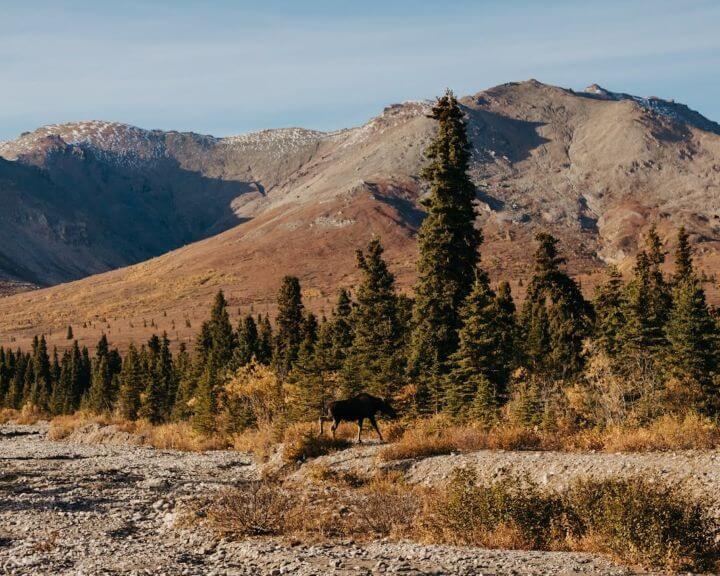
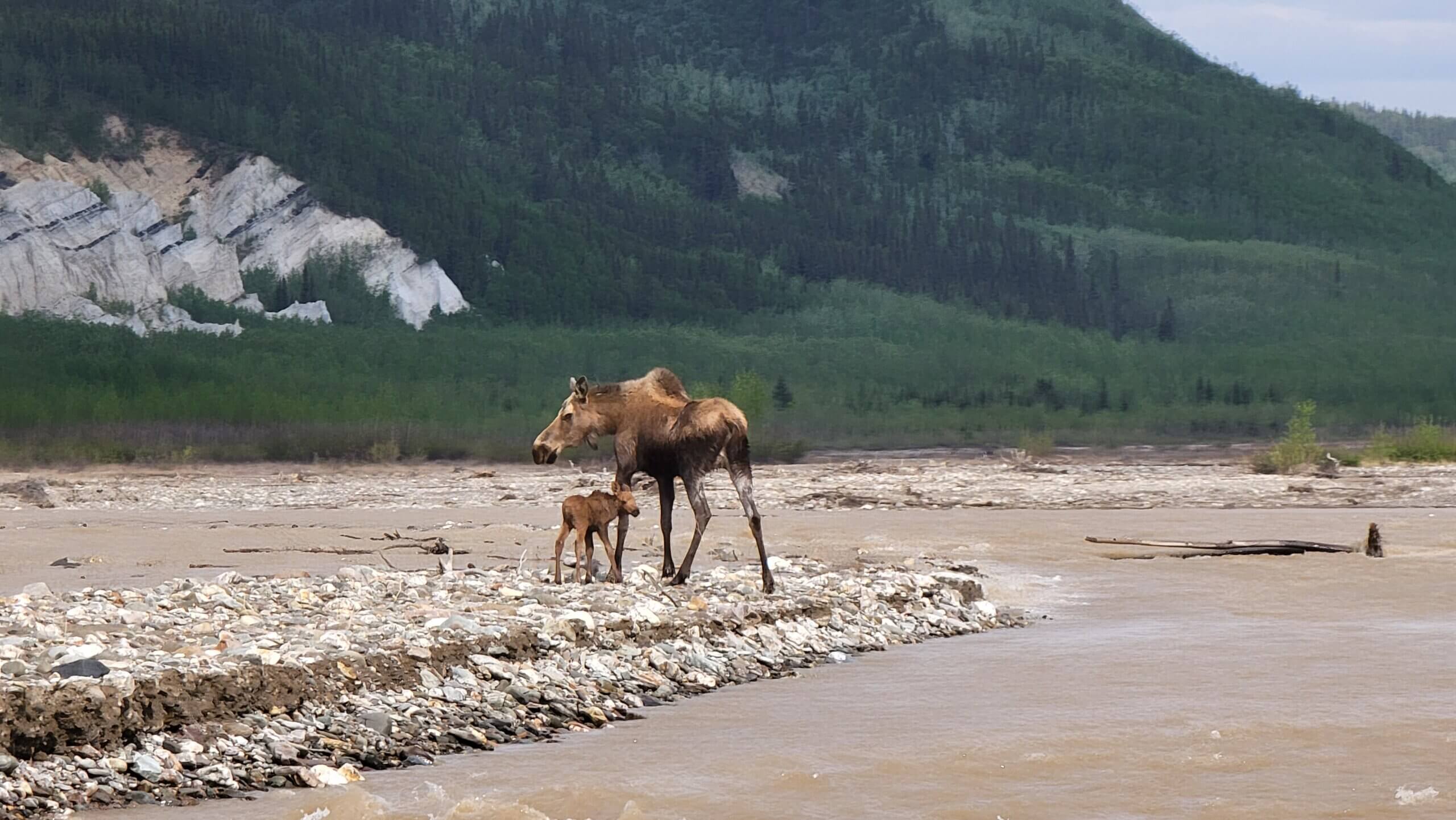
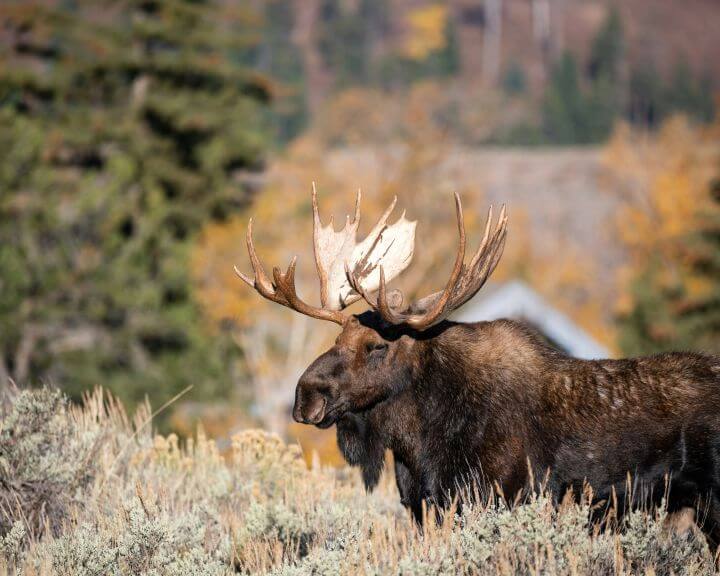
Moose are among the most commonly seen mammals in Denali. They depend heavily on wetlands and river edges, where they feed on willows, aquatic plants, and tender new growth. The Nenana River corridor offers excellent spring habitat for moose cows raising newborn calves. Dense vegetation provides both shelter and food, while the proximity to water gives calves a safer place to rest during their first vulnerable weeks. Visitors often see moose on the Oxbow Trail Loop or crossing areas near Horseshoe Lake.

Grizzly Bears

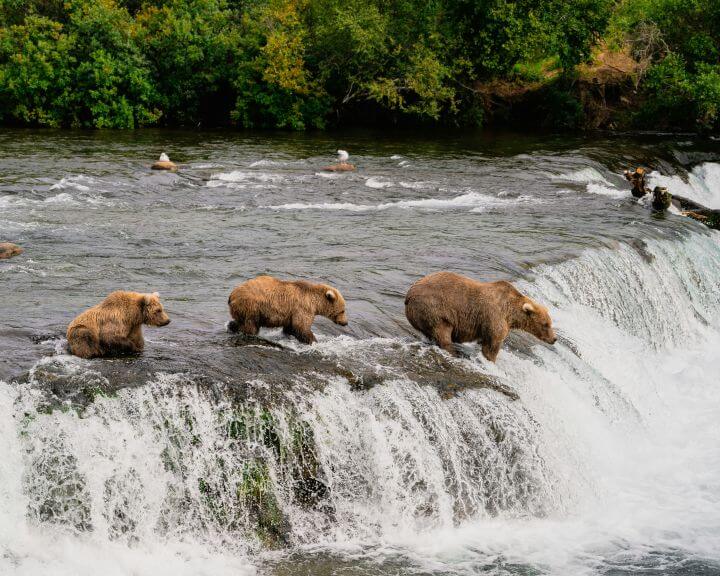
Grizzly bears roam widely throughout Denali, using river valleys as major food sources. In spring, they often seek moose calves along river corridors. Later in the season, they forage for berries on slopes and feed on roots or fish along riverbars. The open gravel bars of the Teklanika River, a major tributary of the Nenana, are especially popular bear travel routes. Visitors riding park shuttle buses frequently spot bears digging for roots or wandering along the riverside.

Caribou

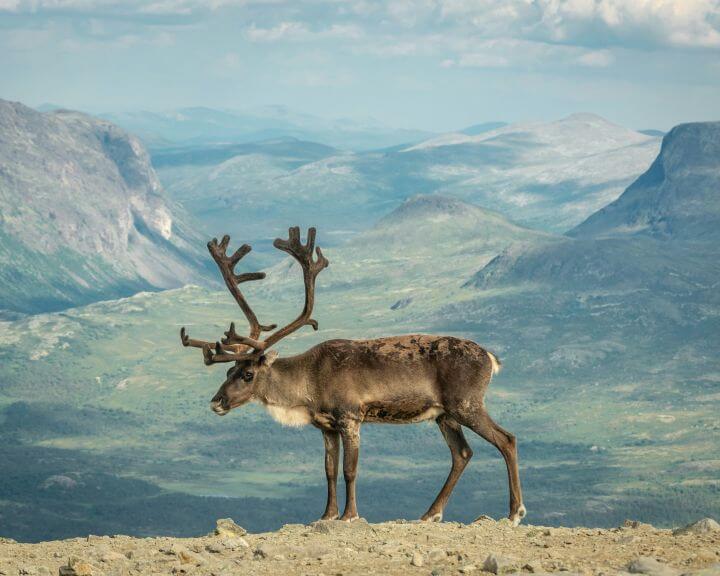
Denali’s caribou herd moves across vast distances throughout the year, often using river valleys as migration pathways. Small groups of caribou travel through the Nenana River area, especially in winter and spring. While caribou are more commonly seen in open, tundra-covered areas such as Sable Pass, the connected river valleys allow them to move between feeding grounds and avoid predators. The river system helps link these high and low habitats together.

Dall Sheep

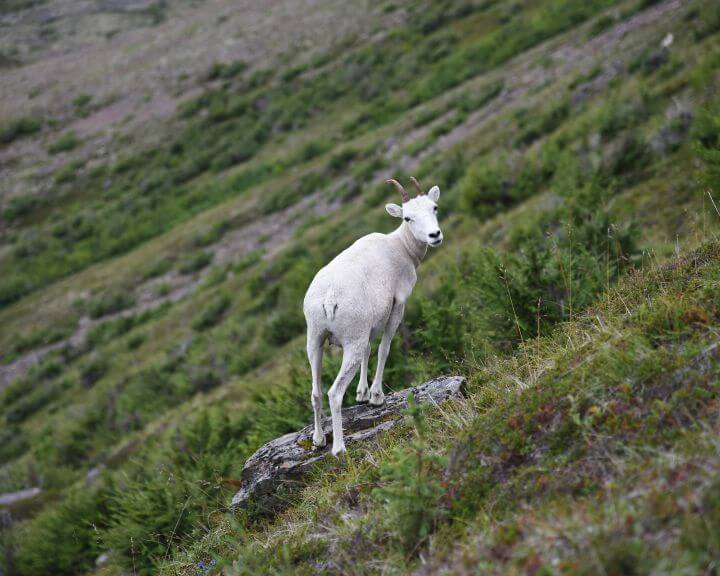
Dall sheep primarily live in steep, rocky alpine areas, but they can sometimes be observed near the edges of river valleys where cliffs rise sharply from the floor. Their white coats make them easier to spot against dark mountain rock. Sable Pass, a protected viewing area along the Park Road, is one of the best places to see them. From here, visitors can watch sheep grazing on alpine plants or resting high on ridges, while lower slopes and valleys support species like caribou and bears.

Beavers

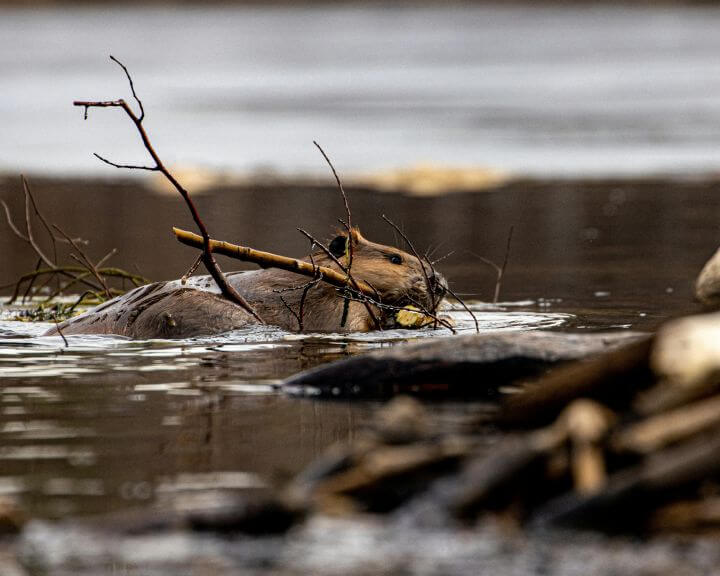
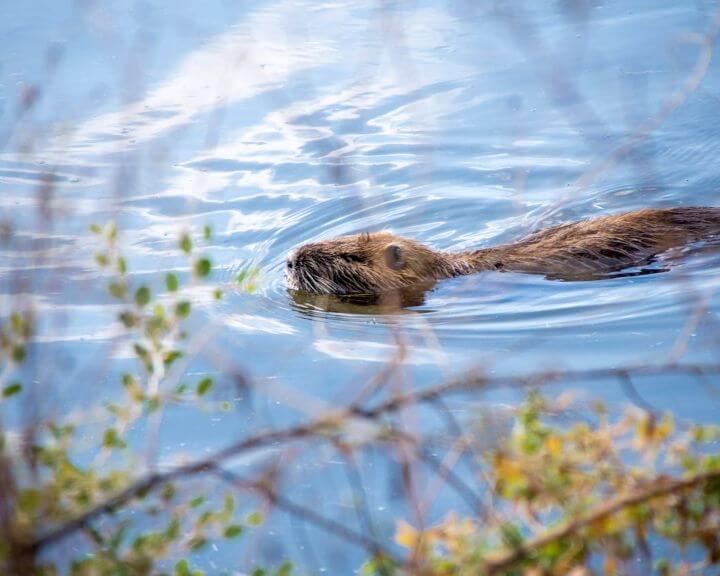
Beavers are powerful ecosystem engineers. By building dams and lodges, they transform streams and small lakes into complex wetland systems that support fish, insects, amphibians, and birds. Horseshoe Lake near the Nenana River is one of the most active beaver areas in Denali. Visitors can explore a spur trail to observe beaver dams, felled trees, and quiet ponds created by beaver activity. The contrast between the still lake and the rushing Nenana River nearby highlights how differently wildlife adapts to slow versus fast water environments.

Trails and Viewing Areas

Five major trails and corridors allow visitors to experience the wildlife and landscapes of the Nenana River region.
Oxbow Trail Loop

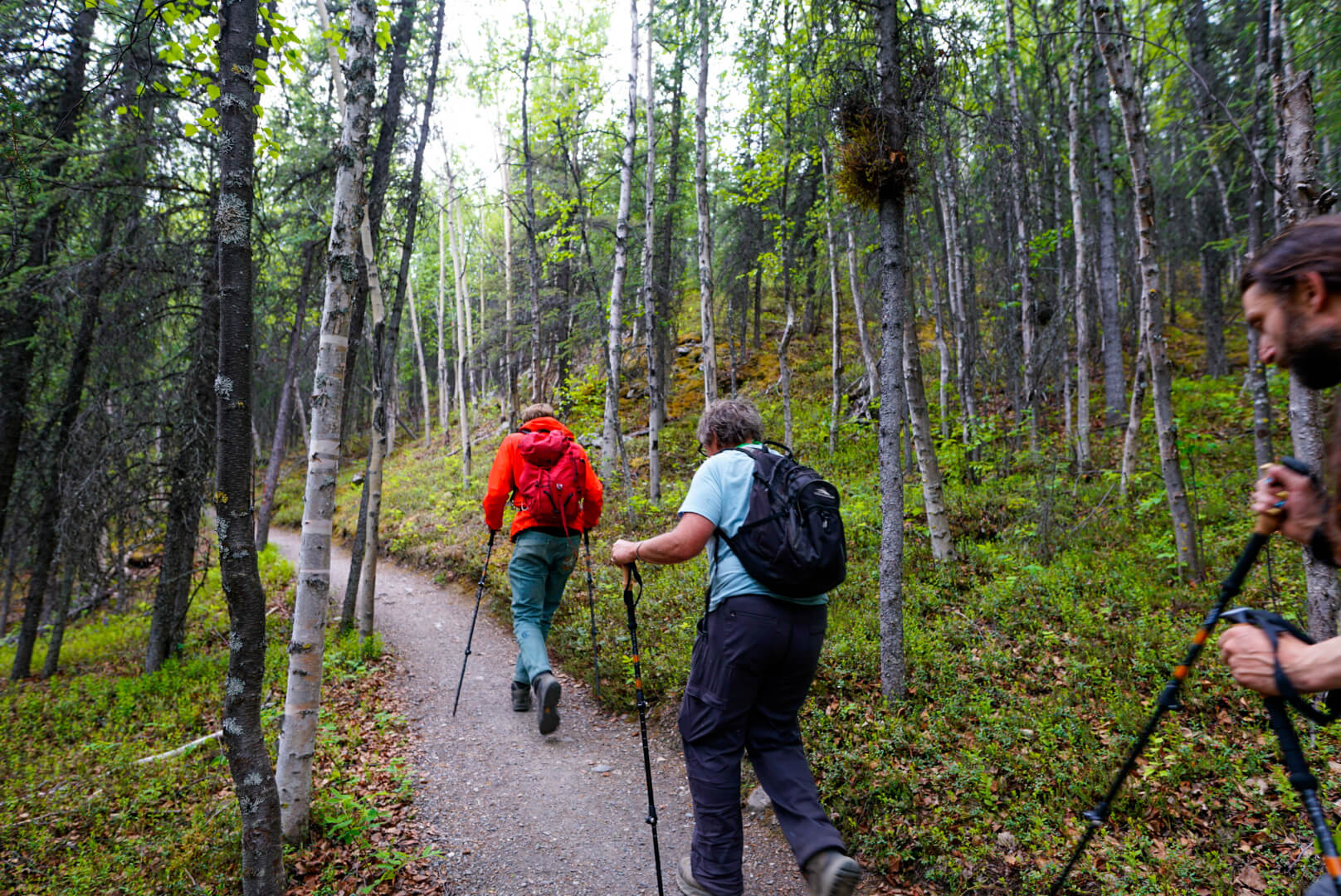
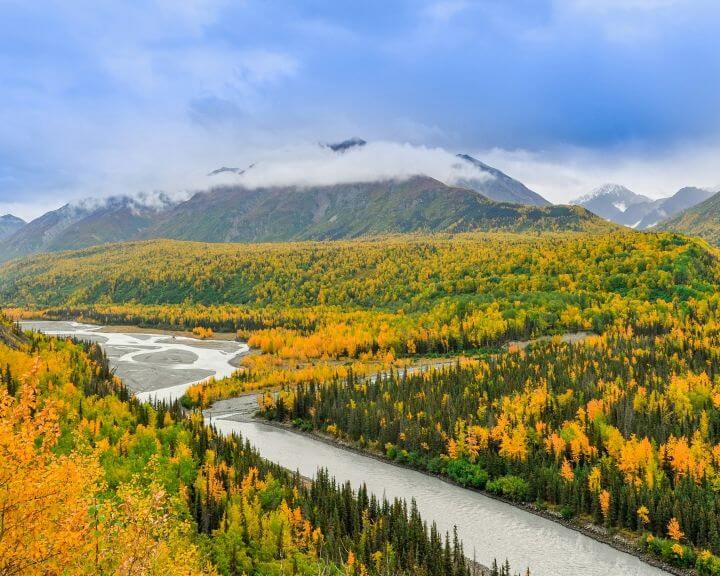
This 1.5-mile loop provides the most direct hiking access to the Nenana River’s edge. The trail begins in spruce forest before descending toward the riverbank, where hikers can explore a gravel bar or sit and listen to the rushing water. The combination of forest and river views makes it a good place to spot moose, forest birds, and other wildlife. Because the trail crosses diverse habitats in a short distance, it offers an excellent introduction to the Nenana River ecosystem.

Horseshoe Lake Trail

Just above the river, Horseshoe Lake is one of the most popular short hikes in Denali. The 2-mile trail descends from the Park Road to the lake and loops around its shoreline. A short spur leads to an active beaver dam, making this one of the best places in the park to observe beaver activity up close. The trail also overlooks the Nenana River at its northern end, where visitors can watch rafters on the water or look for wildlife along the riverbanks.

Savage River Loop Trail

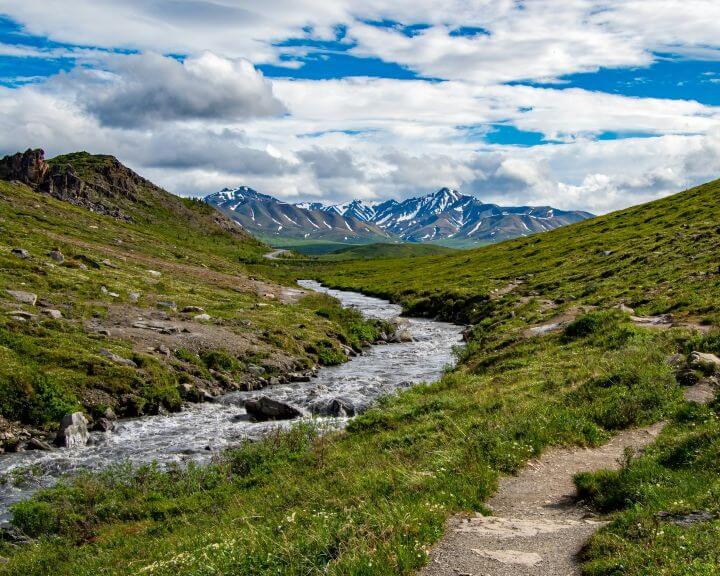
Although the Savage River is not a branch of the Nenana, it is part of the same connected system of mountain valleys that support wildlife. The 1.7-mile loop follows both sides of the Savage River through a rocky canyon. The open views make it easier to spot wildlife such as Dall sheep on the steep slopes above. This area is designated wilderness, giving the trail a quiet, rugged feel despite being relatively accessible.

Teklanika River Corridor

Located farther west along the Park Road, the Teklanika River corridor is accessible by park shuttle bus. The river’s wide gravel bars, open meadows, and braided channels provide good habitat for bears, moose, and caribou. Visitors often spot wildlife close to the road, especially in early morning or evening. The Teklanika Campground offers deeper access into this river ecosystem, but most visitors experience the area by bus.

Sable Pass

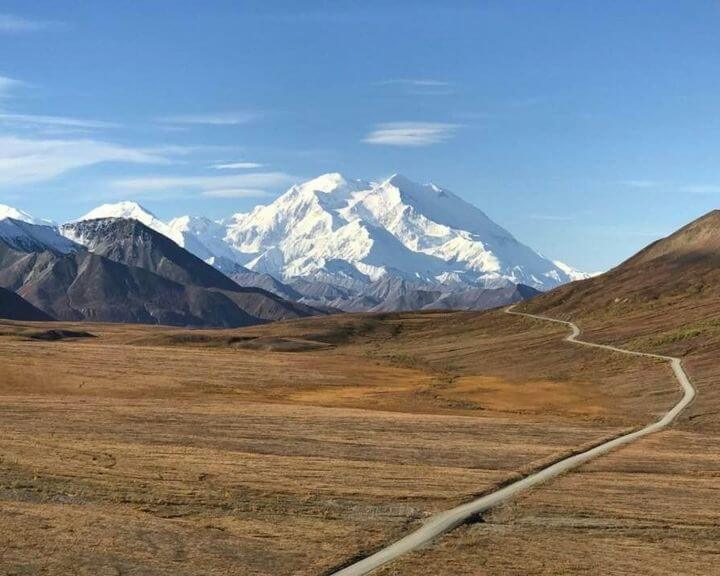
Sable Pass is a protected viewing area where visitors must stay on the road. This long-standing rule helps protect its sensitive wildlife habitat. The open tundra slopes make Sable Pass one of the best places to see grizzly bears, caribou, and Dall sheep. Because people are not allowed to leave the road, animals are less likely to be disturbed and more likely to behave naturally.

Conclusion

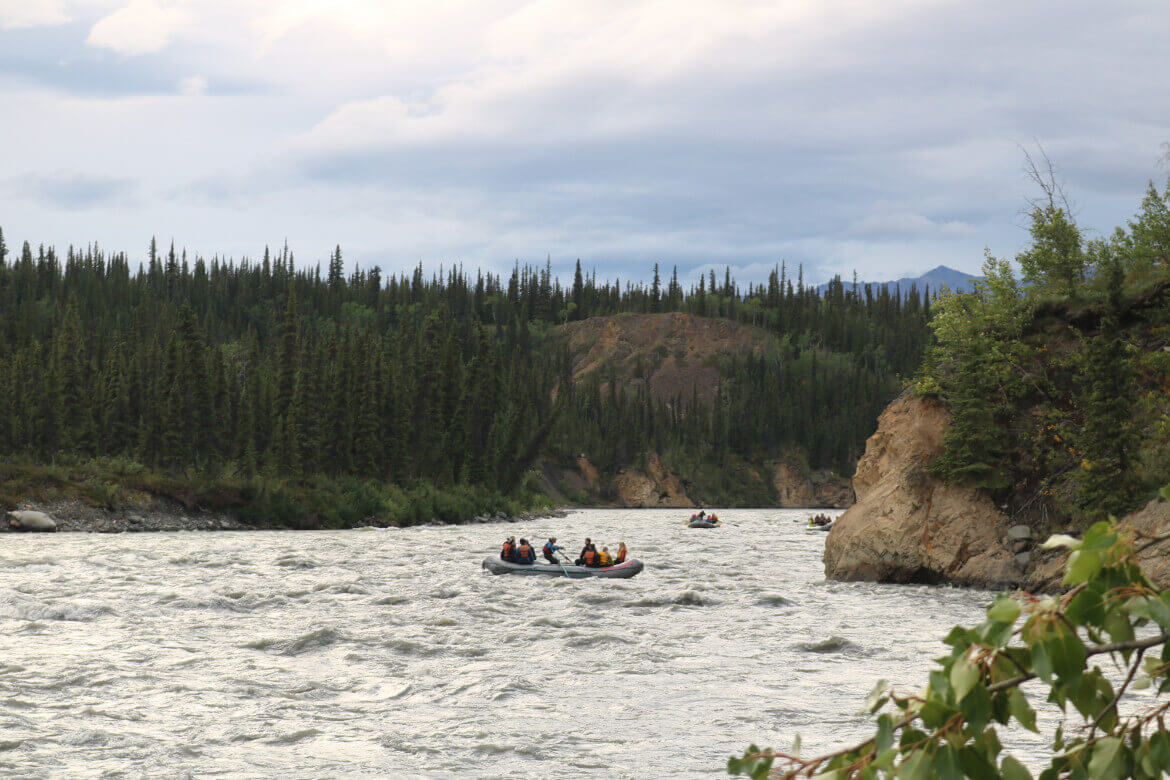
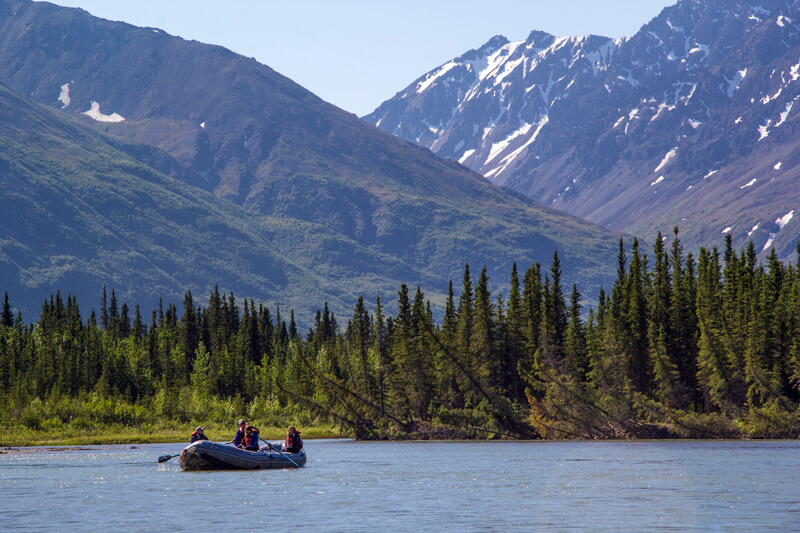
The Nenana River is more than a scenic boundary to Denali National Park—it is a living ecosystem that shapes the land, supports wildlife, and connects visitors to the rhythms of Alaska’s wilderness. For those who want to experience this environment in a deeper and more immersive way. At Denali Raft Adventures we offer a front-row seat to the river that defines this region. From calm, family-friendly floats to thrilling whitewater runs, there is truly something for everyone, no matter their comfort level or experience.

Joining a river trip opens a whole new perspective, one where guests can watch wildlife along the banks, feel the energy of glacial water beneath their raft, and see the Nenana River ecosystem from the unique vantage point only the river itself can provide.

Whether you are seeking adventure, education, or simply a new way to experience Denali, the Nenana River offers unforgettable moments, and Denali Raft Adventures is ready to help you discover them.
Mid McKinley Run with Sugar Loaf denali rafting